Marine Surveyor Operational Workflow: Step-by-Step Vessel Survey Guide

A marine survey requires a systematic operational process to ensure safety, accurate measurements, and legal compliance. Whether conducting a draught survey, on/off-hire condition inspection, bunker survey, or cargo suitability assessment, following a standardized checklist protects both the surveyor and the client.
1. Pre-Boarding Preparation & Documentation
Proper preparation before arriving at the port minimizes downtime and ensures all technical requirements are met.
-
Review the Scope of Work (SOW): Clarify the exact purpose of the survey and identify the appointing party (Shipowner, Charterer, P&I Club, Underwriter, or Cargo Owner).
-
Gather Ship & Cargo Documents: Request the vessel’s particulars, stowage plans, stability booklets, previous inspection reports, and Material Safety Data Sheets (MSDS) for hazardous cargo.
-
Inspect Personal Protective Equipment (PPE): Verify that all safety gear meets international maritime standards:
-
Hard hat with chin strap
-
Safety boots (steel-toe, oil-resistant)
-
High-visibility clothing
-
Portable multi-gas detector (for confined space entry)
-
Intrinsically safe flashlight, safety glasses, and ear protection
-
-
Calibrate Field Testing Equipment: Inspect and test manual tools, including sounding tapes, water/oil finding paste, calibrated hydrometers, glass measuring cylinders, ultrasonic hatch cover testers, and digital cameras.
2. Boarding Protocols & Opening Formalities
Establishing official communication with the ship’s command sets a professional tone and ensures safety compliance throughout the inspection.
-
Gangway Safety Check: Before boarding, check that the gangway net is properly rigged, the lashing is secure, and a safety watch officer is present.
-
Master & Chief Officer Meeting: Head directly to the Ship’s Office or Bridge to meet the Captain or Chief Officer.
-
Present credentials and formal appointment notice.
-
Hold an Opening Meeting to align on the inspection schedule, shipboard safety rules, emergency alarm signals, and required work permits (such as Confined Space Entry or Hot Work).
-
Request an escort officer from the crew.
-
-
Document Verification: Inspect physical certificates on board, including the Ship’s Register, Class Certificates, Load Line Certificate, Deck and Engine Logbooks, and Oil Record Book (ORB).
3. On-Site Physical Inspection & Measurement
Conduct the fieldwork according to the scope of work while maintaining continuous communication with the escort officer.
-
Condition & Structural Assessment: Inspect cargo holds, deck fittings, hatch covers, rubber gaskets, coamings, securing cleats, and deck machinery for structural integrity, wear, or leakage.
-
Measurements & Sampling:
-
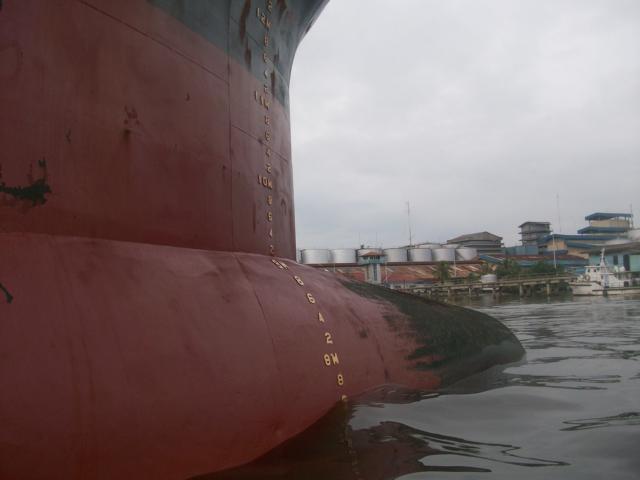
Draught Survey: Read draft marks (Port and Starboard at Forward, Midships, and Aft). Measure sea water density using a calibrated draft tube and hydrometer.
-
Bunker & Tank Soundings: Take manual ullages/soundings of fuel oil, diesel oil, and ballast tanks. Check for water bottoms and record liquid temperatures.
-
Cargo Hold Cleanliness: Check bulkhead walls, tank tops, bilge wells, and rose boxes to ensure they are dry, clean, scale-free, and free from cargo odor before loading.
-
-
Photographic Documentation: Capture clear, time-stamped visual evidence of vessel identification numbers, gauge readings, draft marks, cargo condition, and any identified structural defects.
-
Confined Space Entry Safety: Never enter a ballast tank, cargo hold, or pump room without verifying atmospheric safety (20.9% O2 minimum) and obtaining a signed Confined Space Entry Permit.
4. Closing Formalities & Exit Protocol
Finalizing calculations and cross-checking findings on board prevents post-survey disputes between parties.
-
On-Site Data Reconciliation: Complete preliminary calculations (such as draught displacement, fuel quantities, or damage extent) and cross-check figures with the Chief Officer or Chief Engineer.
-
Closing Meeting: Brief the ship’s command on your findings, notable observations, and any identified deficiencies before leaving the vessel.
-
Statement of Facts (SOF):
-
Draft the preliminary field summary, Statement of Facts, or Sounding/Draught Worksheets.
-
Secure the signature and official stamp of the Master or Chief Officer.
-
If the ship’s crew disagrees with a finding, record an official Surveyor’s Remark / Reservation directly on the document before signing.
-
5. Data Analysis & Final Survey Report
Transforming field measurements into an executive-ready technical report completes the survey contract.
-
Hydrostatic & Density Calculations: Process raw field data using vessel hydrostatic tables, applying necessary trim/heel corrections and density adjustments (such as the standard M/M/M draught interpolation method).
-
Compile the Survey Report: Structure the final deliverable into clear sections:
-
Executive Summary & Survey Scope
-
Vessel Particulars & Key Timeline
-
Technical Observations, Calculations & Photos
-
Expert Assessment & Recommendations
-
-
Report Delivery: Issue signed, stamped digital and physical Survey Certificates to the appointing party within the agreed timeframe.